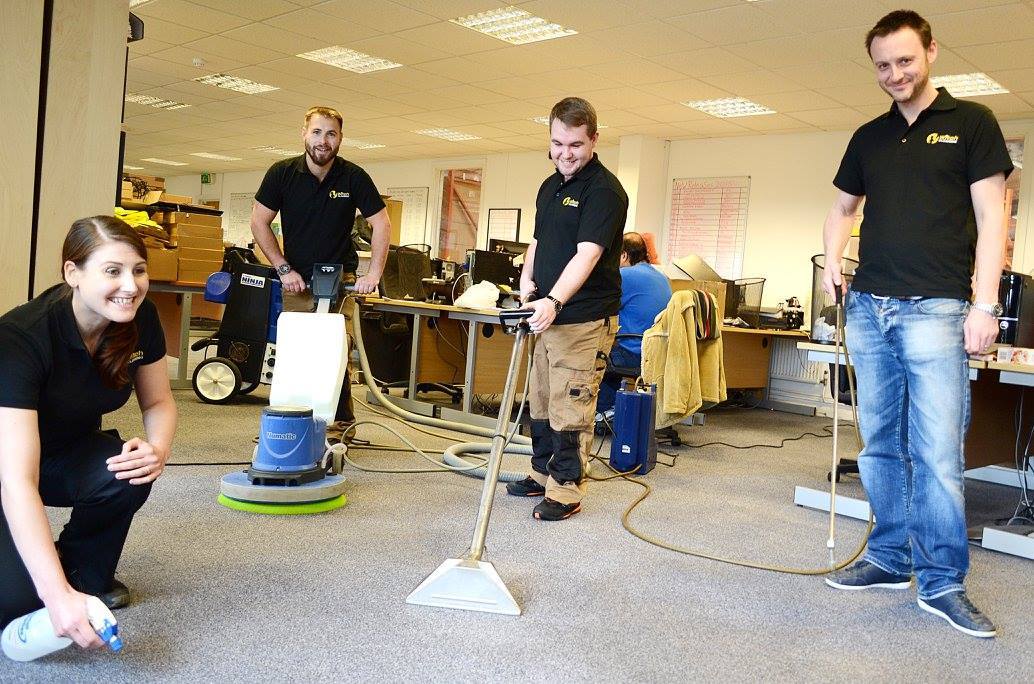
Regular vacuuming is one of the most important parts of looking after household carpets. It removes loose dust, crumbs, fibres, hair and other dry debris before much of it can work further into the pile. However, vacuuming has limitations. Over time, carpets can accumulate embedded soil, residues and contaminants that cannot be removed effectively through routine vacuuming alone.
The change is not always dramatic. A carpet may gradually become duller, heavily used areas may look darker, the pile can begin to feel different underfoot, or previously treated marks may remain noticeable. Because these changes develop slowly, homeowners often become accustomed to them.
For households in Sturry, Kent, recognising the signs that a carpet needs deeper professional cleaning can help restore its appearance and remove material held beyond the reach of ordinary vacuuming. The key is understanding the difference between loose surface debris and contamination that has become established within the carpet.
How Can You Tell When Vacuuming Is No Longer Enough?
Vacuum cleaners are primarily designed to remove dry, loose material from the carpet. They can be extremely effective when used regularly and correctly, but they cannot address every type of soiling.
Oily residues, spills, tracked-in contamination and material embedded within the pile can remain even after repeated vacuuming.
When the carpet still looks or feels unclean immediately after being vacuumed, this is often the clearest indication that another cleaning method is required.
The Carpet Still Looks Dull After Vacuuming
One of the most common signs is a general loss of brightness.
A carpet can be thoroughly vacuumed yet still appear noticeably duller than it once did.
This can happen when fine soil and residues become distributed through the pile rather than remaining loosely on the surface.
Vacuuming may remove newly deposited particles while leaving more established contamination behind.
Professional carpet cleaning can target this deeper accumulation rather than simply collecting loose debris.
High-Traffic Areas Are Becoming Darker
Some parts of a carpet naturally receive considerably more use than others.
Hallways, entrances, routes between rooms and areas around frequently used furniture can experience repeated foot traffic every day.
These sections may gradually become darker than less frequently used parts of the same carpet.
If the difference remains after vacuuming, embedded soil and residues may have accumulated within the fibres.
Visible Traffic Lanes Are Developing
Traffic lanes occur where repeated walking follows the same route across a carpet.
The change can initially be subtle but may eventually become clearly visible.
Vacuuming can remove loose material from these areas, but it may not remove soil that has become attached to or embedded between the fibres.
Professional cleaning can address the contamination contributing to the darker appearance, although the final result will also depend on whether the fibres themselves have experienced physical wear.
Dirt Near Entrances Keeps Returning
Carpets close to external entrances often receive concentrated contamination.
Small particles can be carried indoors on footwear and gradually transferred onto the carpet.
Although vacuuming removes much of the loose material, some can work deeper into the pile through repeated foot traffic.
If the carpet around an entrance quickly appears dirty again after vacuuming, deeper cleaning may be appropriate.
The Carpet Looks Cleaner Under Furniture
Moving a sofa, cabinet or other large piece of furniture can reveal a noticeable contrast.
The protected carpet underneath may look brighter than the surrounding exposed areas.
Some difference is expected because covered sections experience little foot traffic or general household exposure.
However, a substantial difference can demonstrate how much soil and residue have accumulated across the regularly used carpet.
This contrast is often one of the clearest ways to recognise gradual soiling.
The Original Appearance Is Difficult to Remember
Carpet deterioration is usually gradual.
Because homeowners see their flooring every day, small changes in appearance can be difficult to notice.
Over months or years, a carpet may become increasingly dull without there being one obvious moment when it begins looking dirty.
Comparing frequently used areas with protected sections can provide a more useful indication of its current condition.
Stains Remain After Routine Cleaning
Vacuuming cannot remove most stains because they are not simply loose particles sitting on top of the carpet.
Liquid spills and other substances can interact with the fibres and sometimes penetrate deeper into the carpet structure.
Repeated vacuuming will therefore have little effect.
Professional carpet cleaning begins by identifying the type of mark and considering the fibre before selecting an appropriate treatment.
Old Spill Marks Are Becoming More Noticeable
A spill may initially appear to have been removed but later become visible again.
This can happen when some of the substance remains within the carpet.
Residual material can also attract soil, causing the affected area to become progressively darker.
Where an old spill repeatedly becomes noticeable, further cleaning may be needed to address what remains rather than simply treating the visible surface.
A Previously Cleaned Mark Keeps Reappearing
Recurring spots can be frustrating.
The surface may look clean immediately after treatment, only for the mark to become visible again after drying or further use.
There can be several reasons for this, including remaining residues or contamination located deeper within the carpet structure.
Professional assessment can help determine why the mark is returning before further treatment is carried out.
Sticky Areas Are Attracting Dirt
Some spills leave behind residues that are difficult to see.
Even when the original mark has largely disappeared, the affected carpet may feel slightly sticky or become dirty more quickly than surrounding areas.
The residue can attract dry soil from footwear and normal household activity.
Vacuuming removes some of this new soil but does not necessarily remove the substance causing it to accumulate.
The Carpet Feels Different Underfoot
Changes in carpet condition are not always visual.
A heavily soiled area may feel different from a less frequently used section.
The pile can feel less fresh, slightly sticky or more compacted.
This does not automatically mean contamination is the only cause, because physical wear also changes how carpet fibres feel.
However, where the difference is associated with visible soiling, deeper cleaning can help establish how much of the change is removable.
The Pile Looks Flattened in Frequently Used Areas
Repeated foot traffic compresses carpet fibres.
Vacuuming may lift some loose pile, but it cannot reverse every change caused by long-term physical wear.
Professional cleaning can remove soil that contributes to a flattened or dull appearance and may help the fibres present more effectively.
However, permanent wear should not be confused with dirt.
A professional cleaner should distinguish between contamination that can be removed and fibre changes that cleaning cannot completely reverse.
Carpet Fibres Are Beginning to Look Matted
Matted carpet can develop when fibres become compressed and contaminated over time.
Residues and soil may contribute to fibres sticking or sitting together rather than separating naturally.
Correct cleaning can remove material contributing to this condition.
The outcome depends on the carpet construction, fibre type and degree of physical wear, which is why assessment is important before cleaning begins.
The Carpet Has Lost Its Consistent Texture
A carpet should generally have a reasonably consistent appearance across areas receiving similar use.
Where one section appears coarse, dull or compacted while another remains more defined, accumulated soil may be contributing.
Cleaning can remove contamination and improve presentation where soiling is responsible.
Where physical wear has altered the fibres themselves, some visual difference may remain.
Vacuuming Produces Less Visible Improvement
A freshly vacuumed carpet would normally appear tidier because loose debris has been removed and the pile has been disturbed.
If vacuuming no longer produces much visible improvement, deeper contamination may be present.
This does not mean vacuuming has become unnecessary.
Regular vacuuming should continue because it remains essential for controlling dry soil.
It simply indicates that routine maintenance may need to be supplemented with periodic deeper cleaning.
Unpleasant Odours Remain After Vacuuming
Vacuuming can remove some dry material associated with odours, but persistent smells may have another source.
Spills, food residues, moisture-related contamination and other substances can remain within carpet fibres or deeper parts of the construction.
Where an odour continues despite thorough vacuuming and ventilation, the source needs to be identified.
Simply masking the smell does not remove what is causing it.
Odours Can Be Held Deeper Than the Surface
Carpet consists of more than the upper fibres visible from above.
Depending on the construction and the nature of a spill, contamination can sometimes move deeper.
This is particularly relevant when a substantial amount of liquid has entered the carpet.
Professional cleaning can address many forms of contamination, but it is important to recognise that material reaching the backing or underlying surface can be more difficult to treat completely.
Assessment helps determine the likely depth of the problem.
A Carpet Smells Different in Warm or Humid Conditions
Some carpet odours become more noticeable when environmental conditions change.
If a particular smell repeatedly returns, there may be residual contamination rather than ordinary surface dust.
Professional cleaning focuses on removing the source where possible instead of simply applying a fragrance.
The type of contamination and how deeply it has penetrated influence the appropriate treatment.
Pet-Used Areas Remain Noticeable
Homes with pets can place additional demands on carpets.
Hair and loose debris can often be controlled effectively through frequent vacuuming.
Other contamination may require more than dry extraction.
Where particular areas remain marked or develop persistent odours, professional cleaning may be required.
The affected section should be assessed individually because the treatment needed depends on the type and depth of contamination.
Food and Drink Areas Can Develop Gradual Build-Up
Carpets around dining spaces and frequently used seating areas can accumulate small spills over time.
Not every spill produces an obvious stain.
Tiny amounts of food or drink residue can remain within the fibres and gradually attract soil.
The carpet may therefore begin looking darker even though there is no single prominent mark.
Professional cleaning can address this broader accumulation.
Carpets Around Sofas Can Become Noticeably Soiled
Areas immediately around sofas and armchairs often experience concentrated use.
Feet repeatedly contact the same sections, and small amounts of debris can accumulate around furniture edges.
These areas may become darker or duller than the surrounding carpet.
When regular vacuuming no longer restores a consistent appearance, deeper cleaning can help remove established soil.
Bedroom Carpets Can Still Accumulate Deep Soil
A carpet does not need to be visibly muddy to require professional cleaning.
Bedroom carpets can gradually collect fine dust, fibres and other household material despite appearing relatively clean.
Because these rooms may receive lighter footwear traffic, deterioration can be less obvious.
The need for deeper cleaning should therefore be judged by overall condition rather than waiting for severe visible staining.
Fine Particles Can Work Deeper Into the Pile
Dry soil does not necessarily remain on the upper surface.
Repeated walking can move fine particles further between carpet fibres.
Good vacuuming removes a considerable amount of this material, especially when performed frequently.
However, deeply embedded soil can become increasingly difficult to remove through ordinary household maintenance.
This is one reason carpets can still release significant contamination during professional cleaning despite being vacuumed regularly.
Soil Can Contribute to a Dull Appearance
Fine particulate material can affect how carpet fibres reflect light.
As contamination builds, the carpet can lose some of its visual definition and appear grey or dull.
The change may be particularly noticeable on lighter carpets.
Removing established soil can improve appearance even when the carpet did not previously seem heavily stained.
Dark Carpets Can Hide Significant Soiling
Darker carpet colours can make contamination less obvious.
A carpet may therefore require deeper cleaning even when it does not show prominent traffic lanes.
Texture, persistent odours, recurring spots and the condition of frequently used areas can provide additional clues.
Judging cleanliness purely by visible colour can be misleading.
Light Carpets Often Show Traffic Patterns Earlier
Lighter carpets tend to make tracked-in soil and traffic lanes more visible.
This can be useful because developing contamination may be noticed sooner.
However, repeatedly attempting to remove darker areas with unsuitable household products can create additional residues.
Where normal vacuuming no longer improves the appearance, appropriate professional treatment can be preferable to continued spot cleaning.
Household Cleaning Products Can Leave Residues
Home carpet treatments can be useful for dealing with some minor spills when they are suitable for the carpet and used correctly.
Problems can arise when too much product is applied or when residues are not removed effectively.
The area may initially look improved but later attract soil.
This can create a darker patch that appears to be the original stain returning.
Professional cleaning can assess whether residue is contributing to the problem.
Repeated Spot Cleaning Can Create Uneven Areas
Treating the same section repeatedly can sometimes leave the carpet looking different from its surroundings.
The fibres may contain residual cleaning product, or the treated area may simply be cleaner than the rest of an increasingly soiled carpet.
Rather than continuing to treat the isolated patch, a more complete professional clean may produce a more consistent result.
More Cleaning Product Does Not Mean Better Cleaning
Applying increasingly strong or concentrated products is not necessarily the solution to stubborn carpet contamination.
Carpet fibres differ, as do stains and residues.
An unsuitable treatment can fail to remove the problem and may make subsequent cleaning more complicated.
Professional carpet cleaning relies on selecting methods according to the material and contamination rather than simply increasing chemical strength.
Excessive Moisture Is Not the Answer Either
Similarly, soaking a carpet does not automatically clean it more thoroughly.
Excess moisture can extend drying times and may move contamination rather than remove it effectively.
Professional cleaning aims to control the amount of moisture used while achieving sufficient soil removal.
The appropriate method depends on the carpet construction and condition.
The Carpet Becomes Dirty Again Quickly After Home Cleaning
Rapid re-soiling can suggest that contamination or cleaning residues remain within the fibres.
If a carpet looks acceptable immediately after home cleaning but soon develops dark areas again, the cleaning process may not have removed the underlying material effectively.
Professional cleaning can target the remaining soil while controlling residues during extraction.
Cleaning Should Start With Carpet Assessment
Professional carpet cleaning should not begin by treating every carpet in exactly the same way.
The fibre, construction, level of soiling, stains and previous treatments all influence the appropriate approach.
Assessment helps determine what type of contamination is present and what results can reasonably be expected.
This is especially important where the carpet contains delicate fibres, persistent stains or repeated previous treatments.
Dry Soil Removal Remains an Important First Step
Professional cleaning does not make vacuuming irrelevant.
Thorough dry soil removal is an important stage because loose particulate material should generally be removed before wet cleaning processes are introduced.
This allows later treatment to concentrate on contamination that cannot be extracted effectively through vacuuming alone.
Good carpet care therefore combines routine household vacuuming with deeper cleaning when necessary.
Pre-Treatment Can Target Heavily Soiled Areas
Traffic lanes and other heavily used sections may need additional attention before the main cleaning process.
Appropriate pre-treatment can help loosen contamination attached to carpet fibres.
The product and method should be suitable for the particular carpet.
This targeted approach is more controlled than simply applying the same amount of cleaning solution everywhere.
Agitation Can Help Release Embedded Soil
Depending on the carpet and cleaning method, controlled agitation can help distribute appropriate cleaning agents through the fibres and loosen established contamination.
This can be particularly useful in heavily trafficked areas.
The process should be matched to the carpet construction so that cleaning is effective without unnecessary treatment.
Extraction Removes More Than Surface Debris
Where suitable, professional extraction cleaning can remove suspended soil, residues and cleaning solution from within the carpet.
This differs fundamentally from vacuuming, which concentrates on dry material.
The aim is not simply to make the surface wet and then remove the moisture.
Effective extraction is part of a controlled process involving assessment, preparation, treatment and soil removal.
Proper Rinsing and Residue Control Matter
A carpet should not be left unnecessarily loaded with cleaning products.
Residue can affect how the fibres feel and may contribute to rapid re-soiling.
Professional cleaning methods therefore need to consider how treatment products are removed as well as how they are applied.
The objective is a properly cleaned carpet rather than one that merely smells strongly of cleaning solution.
Drying Is Part of the Cleaning Process
The work is not complete simply because soil has been extracted.
Appropriate moisture control and drying are also important.
Carpets should not be unnecessarily saturated during cleaning.
Using suitable equipment and controlled methods helps manage moisture while allowing effective cleaning to take place.
Professional Cleaning Cannot Reverse Permanent Wear
One of the most useful parts of a professional carpet assessment is distinguishing dirt from damage.
A dark traffic lane may contain significant soil, but it may also have experienced fibre wear.
Cleaning can remove contamination.
It cannot replace carpet fibres that have been physically worn or permanently altered.
Understanding this distinction helps establish realistic expectations and prevents repeated cleaning of an area where the remaining difference is due to wear rather than dirt.
Some Stains May Also Be Permanent
Not every discolouration can be completely removed.
The outcome depends on the substance, fibre, length of time it has been present and any previous treatment.
Professional stain treatment can often improve or remove marks, but responsible cleaning should not assume that every stain will disappear completely.
The first step is identifying what can reasonably be treated.
What Signs Suggest Your Carpets Need Professional Cleaning?
It may be time to consider deeper carpet cleaning when you notice:
- Carpets still appearing dull after vacuuming
- Dark traffic lanes developing
- Entrance areas becoming dirty quickly
- Visible differences beneath moved furniture
- Persistent stains or recurring spots
- Sticky areas attracting new soil
- Changes in carpet texture
- Matted or heavily soiled pile
- Persistent unpleasant odours
- Pet-used areas remaining noticeable
- Repeated home cleaning producing limited improvement
- Carpets becoming dirty again unusually quickly
- Heavy soil around sofas and frequently used areas
- A general loss of freshness despite regular vacuuming
No single sign necessarily means a carpet is severely contaminated. Together, however, these changes can indicate that routine vacuuming is no longer sufficient.
How Often Should Carpets Receive Deeper Cleaning?
There is no single interval that suits every household.
Carpet condition depends on how the property is used.
Foot traffic, pets, children, footwear habits, spills, carpet type and routine maintenance can all influence how quickly deeper contamination develops.
For this reason, the condition of the carpet can be more informative than following an arbitrary schedule.
When vacuuming no longer restores a clean and consistent appearance, professional assessment can help determine whether deeper cleaning is appropriate.
Regular Vacuuming Is Still Essential After Professional Cleaning
Professional cleaning should complement routine carpet maintenance rather than replace it.
Regular vacuuming helps control dry soil before it becomes heavily embedded.
Prompt attention to spills can also reduce the opportunity for residues to remain.
Together, routine maintenance and periodic deeper cleaning can help carpets remain cleaner and more presentable throughout everyday use.
Why Professional Carpet Cleaning Adds Value
The main difference between routine vacuuming and professional cleaning is the type of contamination each process can address.
Vacuuming is highly valuable for loose dry material.
Professional cleaning can go further by targeting embedded soil, residues, traffic-lane contamination and suitable stains using methods selected for the particular carpet.
Assessment is an important part of this process because not every visible change is caused by dirt. Identifying contamination, residue and permanent wear separately allows the cleaning to be targeted appropriately.
Professional Carpet Cleaning in Sturry, Kent
At K&S Carpet Cleaning Sturry, we assess carpets according to their fibre, construction, condition and level of soiling before determining the appropriate cleaning approach.
Whether the concern is established traffic lanes, general dullness, recurring marks, residues or deeper household soil, the aim is to address the contamination that routine vacuuming can no longer remove effectively.
For homeowners in Sturry, Kent, professional carpet cleaning can provide a deeper level of maintenance while recognising the difference between removable soil and permanent fibre wear.
Conclusion
Regular vacuuming remains essential for maintaining household carpets, but there comes a point when it cannot remove everything held within the fibres. Persistent traffic lanes, dullness, recurring stains, sticky residues, unpleasant odours and rapid re-soiling can all indicate that deeper cleaning is required.
Professional carpet cleaning goes beyond surface debris by assessing the carpet, removing dry soil, treating appropriate areas and extracting contamination using methods suited to the material. Just as importantly, professional assessment can distinguish between dirt that can be removed and physical wear that cleaning cannot reverse.
If your carpets are no longer responding to regular vacuuming and you are based in Sturry, Kent, contact K&S Carpet Cleaning Sturry to arrange a professional assessment and cleaning service tailored to the condition of your carpets.
Call us on: 01227 532 693
Click here to find out more about K&S Carpet Cleaning Sturry
Click here to complete our contact form and see how we can help with your carpet needs.